
TEAS 7 Anatomy and Physiology: The Complete Breakdown
By Sarah Mitchell, BSN, RN · Updated April 6, 2026
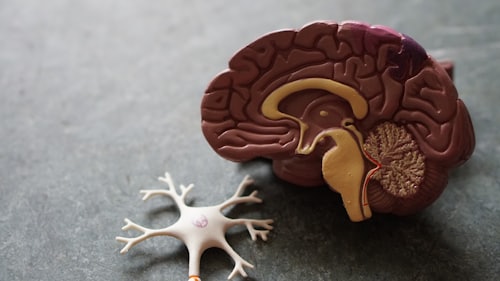
The TEAS 7 Science section features 18 scored Anatomy questions. The Endocrine, Circulatory, Respiratory, and Immune systems are the most heavily tested. Focus on systemic interactions and specific hormonal responses.
Anatomy & Physiology makes up the largest chunk of the TEAS 7 Science section — roughly 32 out of 44 scored questions. If you're going to master one area of the TEAS, this is it. Here's a system-by-system breakdown of what you need to know.
Why A&P Matters So Much on the TEAS
The Science section accounts for 31.1% of your TEAS composite score, and A&P dominates that section. Getting A&P right can single-handedly push your composite score above most nursing school cutoffs. Getting it wrong almost guarantees you'll fall short.
Last month, Marcus came to me after scoring a 42% on the TEAS Science section. He had spent three weeks memorizing every single bone in the skeletal system. I told him to stop immediately and pivot exclusively to the Endocrine system's negative feedback loops and the path of blood through the cardiovascular system. The TEAS prioritizes functional relationships over rote labeling. By shifting his focus to how systems interact, his Science score jumped to a 78% on his retake.
Don't waste days on the Muscular system. You might see one question on sliding filament theory, but you will almost certainly see 4-5 questions testing the Respiratory and Cardiovascular systems.
The 11 Body Systems You Need to Know
The TEAS tests all 11 major organ systems. Here they are ranked by how frequently they appear on the exam, based on data from our tutors:
Cardiovascular
- Pathway of blood (Right Atrium → Lungs → Left Atrium)
- Arteries (away) vs Veins (toward)
- Systole vs Diastole
Respiratory
- Pathway of air (Trachea → Bronchi → Alveoli)
- Gas exchange at the alveolar capillary bed
- Role of the Diaphragm in ventilation
Nervous
- CNS (Brain/Spinal Cord) vs PNS
- Sympathetic (Fight/Flight) vs Parasympathetic
- Neuron structure (Axon, Dendrite, Synapse)
Digestive
- Small intestine (absorption) vs Large intestine (water)
- Stomach acid and Pepsin
- Accessory organs: Liver, Pancreas, Gallbladder
Endocrine
- Slow, chemical messaging via blood
- Master gland: Pituitary
- Negative feedback loops (Insulin/Glucagon)
Renal / Urinary
- Kidney filtration unit: The Nephron
- Urine path: Kidney → Ureter → Bladder → Urethra
- Role in blood pressure regulation
Musculoskeletal
- Skeletal (voluntary) vs Smooth/Cardiac (involuntary)
- Long box vs short bone differences
- Ligaments (bone/bone) vs Tendons (muscle/bone)
Immune System
- Innate (Skin/Phagocytes) vs Adaptive (B/T-Cells)
- Vaccines are artificial active immunity
Reproductive/Skin
- Skin layers: Epidermis, Dermis, Hypodermis
- Sperm path: Testes → Epididymis → Vas Deferens → Urethra
How to Study A&P for the TEAS
- Draw diagrams from memory. Sketch the heart, the nephron, and the neuron without looking. If you can draw it, you understand it.
- Use the "teach it" method. Explain each system out loud as if teaching someone. This reveals gaps in your understanding.
- Create comparison charts. Map out sympathetic vs. parasympathetic, or arteries vs. veins, in a table format.
- Focus on function over memorization. The TEAS asks what a structure does more than what it's called. Understand the "why" behind each system.
Self-Study Portal — Pass the TEAS 7 in 14 Days
28 structured lessons, 100+ flashcards with spaced repetition, full practice test, mistake tracking, predicted score, and 16 study tools — all for $29/mo.
Try Free Preview →