
The Cardiovascular System for the TEAS 7: Blood Flow Pathway
By Sarah Jenkins, M.S.N. · Updated April 18, 2026
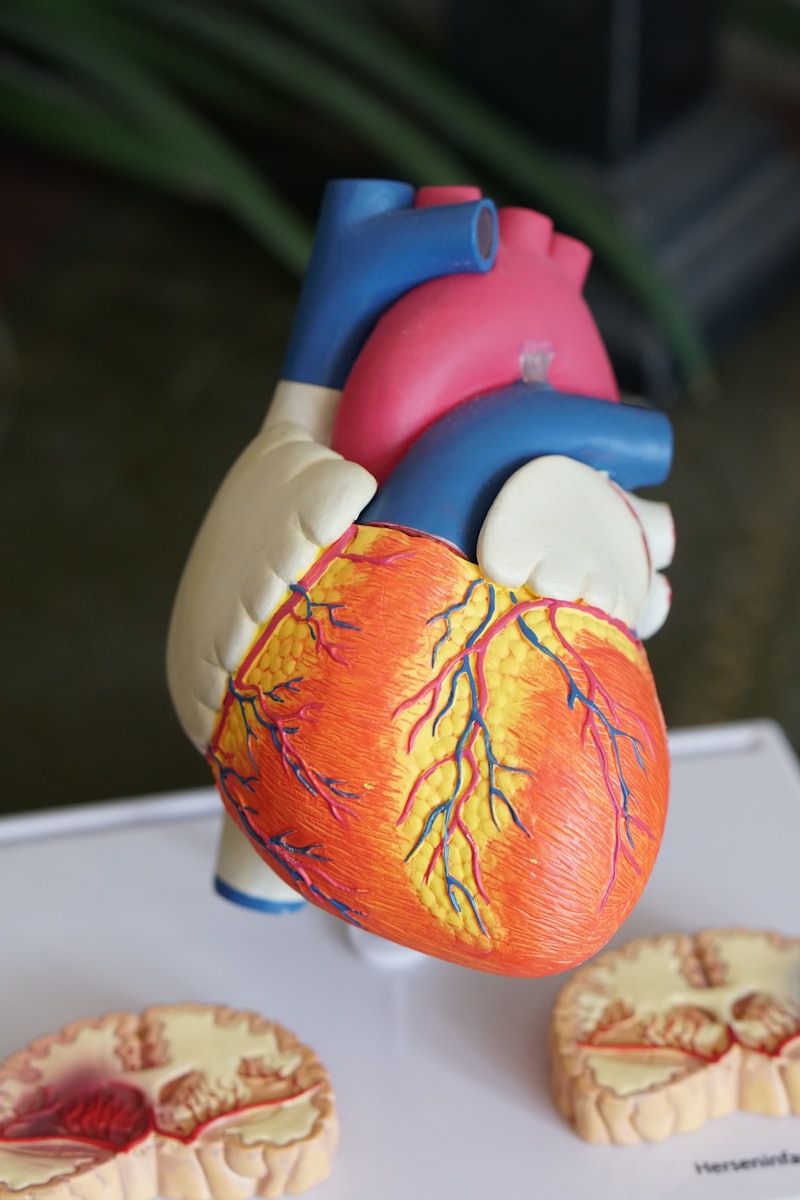
Deoxygenated blood enters the Right Atrium via the Vena Cava → Tricuspid Valve → Right Ventricle → Pulmonary Valve → Pulmonary Artery → Lungs (oxygenation) → Pulmonary Vein → Left Atrium → Mitral (Bicuspid) Valve → Left Ventricle → Aortic Valve → Aorta → Body.
Of all the body systems tested heavily on the ATI TEAS 7 Anatomy & Physiology section, the cardiovascular system is arguably the most intimidating for nursing students. But you don't need a medical degree to pass this section — you just need an exact map of what ATI asks.
If you haven't yet grounded yourself in the full scope of the TEAS science section, I highly recommend reviewing our Ultimate TEAS 7 Study Guide to understand exactly how much weight A&P carries on your final score.
The 14-Step Blood Flow Pathway
The ATI TEAS test writers absolutely love asking you to trace a drop of blood through the heart. You will almost certainly see a question asking "Which of the following structures does blood flow through immediately after the pulmonary valve?" You must know this sequence chronologically.
- Superior/Inferior Vena Cava (Deoxygenated)
- Right Atrium
- Tricuspid Valve
- Right Ventricle
- Pulmonary Valve
- Pulmonary Artery
- Lungs (Gas exchange occurs here)
- Pulmonary Veins (Oxygenated)
- Left Atrium
- Mitral (Bicuspid) Valve
- Left Ventricle
- Aortic Valve
- Aorta
- Rest of the Body
Arteries vs. Veins (The TEAS Exception)
You probably learned that arteries carry oxygenated blood and veins carry deoxygenated blood. Skip that thought process for the TEAS 7. It will fail you.
Instead, memorize this rule: Arteries carry blood Away from the heart. Veins carry blood towards the heart.
Why does ATI test this? Because of the pulmonary exception. The pulmonary artery carries deoxygenated blood away from the heart to the lungs. The pulmonary vein carries oxygenated blood back to the heart. They will try to trick you using this exact exception.
The Electrical Conduction System
The heart doesn't wait for your brain to tell it to beat; it runs its own electrical grid. You need to know the sequence of electrical firing.
- SA (Sinoatrial) Node: This is the "pacemaker" of the heart. It sits in the right atrium and fires the initial spark.
- AV (Atrioventricular) Node: Briefly delays the signal so the atria can fully empty blood into the ventricles.
- Bundle of His: Carries the signal down the septum.
- Purkinje Fibers: Wraps around the ventricles, causing them to contract forcefully and push blood out.
📋 From the Tutor's Desk
I've tutored over 200 TEAS students, and 80% miss questions regarding the thickness of the heart walls. My student Jessica completely bombed a practice test because she couldn't remember which ventricle was thicker. I told her this simple concept: "The right ventricle only has to push blood next door to the lungs. The left ventricle has to push blood all the way down to your toes." When you realize the Left Ventricle has to pump blood to the entire systemic circuit, you instantly know why its muscular wall (myocardium) is the thickest chamber in the heart. She never missed that question again.
Systole vs. Diastole
When you take a patient's blood pressure, you get two numbers (e.g., 120/80). The TEAS will ask you what those phases represent mechanically.
Systole: Working phase. The ventricles contract and pump blood out of the heart.
Diastole: Resting phase. The ventricles relax and fill with blood from the atria.
Don't waste time trying to memorize complex pressure gradients. Your score ROI is in memorizing systole = contracting, diastole = dilating/relaxing. It also helps to understand how the endocrine system and hormones like epinephrine influence heart rate and blood pressure.
Check Your Knowledge
After reviewing this section, you should immediately head over to our TEAS 7 Practice Quiz to test your retention on the cardiovascular system. You can also bookmark our TEAS 7 Science cheat sheet for a quick-reference review before exam day.
Self-Study Portal — Defeat the TEAS 7 Science Section
Don't let A&P cost you your nursing school acceptance. Get a day-by-day study plan with lessons, spaced-repetition flashcards, exam-style practice questions with explanations, and full practice tests, with one-time passes from $29 (no subscription).
Start Studying Now →Frequently Asked Questions
TEAS 7 Study Resources
Find TEAS 7 Prep Near You
Science Not Your Strongest Subject?
The free diagnostic finds your weak spots, then the portal drills A&P systems with practice questions and flashcards until they're second nature.
Take the Free Diagnostic